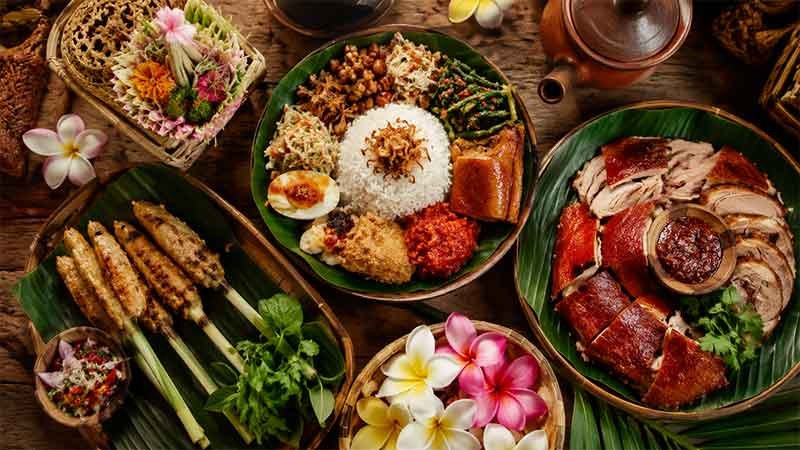
So you’re heading to Bali and you keep hearing the same thing: the food is unreal. That part is true. But between confusing menus, spicy sambals, and a hundred warungs on every street corner, it’s easy to feel lost before your first bite.
This guide skips the fluff. It’s built for real travelers who want to eat well, spend wisely, and avoid the rookie mistakes that ruin a good food trip.
What Makes Bali’s Food Culture So Special?
Balinese cuisine is a mix of ceremony, spice, and simplicity. Most dishes trace back to temple offerings and family gatherings, not restaurant menus. That’s part of why a plate from a tiny warung can taste richer than one from a five-star hotel.
Coconut, chili, turmeric, and shallots show up in almost everything. If you’re planning your trip length around food and sightseeing, it helps to know how many days you actually need in Bali before building your eating itinerary around it.
Must-Try Bali Dishes for First-Time Visitors
You don’t need to eat everything on this list, but skipping all of it would be a shame.
Babi Guling
Bali’s famous suckling pig, roasted whole with a stuffing of turmeric, lemongrass, and chili. It’s rich, smoky, and best eaten fresh — some warungs sell out by early afternoon.
Nasi Campur
Think of this as Bali’s answer to a sampler platter: rice with small portions of vegetables, egg, tempeh, and meat or fish. It’s a low-risk, high-reward way to try several flavors in one sitting.
Sate Lilit
Minced fish or chicken mixed with grated coconut and spices, wrapped around lemongrass stalks and grilled. It’s less sweet than typical satay and much more fragrant.
Lawar
A traditional mix of vegetables, coconut, and minced meat, seasoned with a spice paste called base genep. Some versions include blood as a traditional ingredient, so it’s worth asking first if you’re unsure.
Where to Eat in Bali: Warungs, Cafés, and Fine Dining
Warungs are small, family-run eateries, and they’re usually where the best everyday food comes from. A plate here often costs a fraction of a café price and tastes more authentic.
Cafés dominate areas like Canggu and Ubud, blending Instagram-friendly design with genuinely good food — smoothie bowls, fusion plates, and strong local coffee. If you’re spending a day in the water before eating, pair it with a session where you can learn to surf in Canggu and reward yourself with lunch after.
Fine dining exists too, mostly in Seminyak and Ubud, but it’s not where you’ll find “typical” Bali food. It’s closer to international cuisine with a local twist.
How Much Does Food Cost in Bali?
This is where Bali surprises a lot of travelers. A warung meal can cost as little as 20,000–35,000 IDR (roughly $1.50–$2.50), while a nice café brunch might run 80,000–150,000 IDR.
Tourist-trap restaurants near beaches and main strips charge noticeably more for the same quality. If budgeting matters to your trip, it’s worth reading whether Bali is actually expensive for travelers before assuming you need a big food budget.
Is Street Food in Bali Safe for Tourists?
Generally, yes — with a few smart habits. Choose stalls with high turnover, since fresh ingredients move fast where locals are already eating.
Watch how food is stored and cooked in front of you rather than sitting out. Bottled water for drinking, and freshly fried or grilled items, are usually the safest bets for a first-time visitor’s stomach.
Vegetarian, Vegan, and Special Diet Options
Bali is genuinely one of the easier Southeast Asian destinations for plant-based eating. Ubud especially has a huge vegan café scene, and even traditional warungs can usually swap tofu or tempeh into a dish on request.
Gado-gado, a vegetable salad with peanut sauce, is a reliable vegetarian option almost everywhere you go.
Food Etiquette Tips Every Tourist Should Know
A few small habits go a long way. Eating with your right hand is traditional in some settings, so it’s polite to follow suit if others are doing it.
Tipping isn’t mandatory but is appreciated, especially at smaller warungs where margins are thin. And if a family offering (a small basket called canang sari) is sitting near your table, just leave it alone — it’s a daily ritual, not decoration.
Best Areas in Bali for Food Lovers
Ubud leans toward organic, health-conscious, and traditional Balinese food, which fits its reputation as the island’s cultural heart — worth reading more on what Bali is actually known for if you want context before you go.
Canggu is younger and more experimental, full of fusion menus and beach clubs. Seminyak sits in between — polished, a bit pricier, and good for date-night dinners.
If you’re traveling with family, it also helps to think about food access when picking where to stay in Bali, since some areas have far more kid-friendly options than others.
Pairing Great Food with Great Adventures
Eating your way through Bali is even better when it’s balanced with something active. A muddy, laughter-filled ride through rice fields and jungle trails is one of the best ways to earn that next big meal, and it’s exactly why ATV riding in Ubud has become a favorite add-on for travelers already exploring the island’s food scene.
Ready to Add Adventure to Your Bali Food Trip?
If you’re already planning your meals around Ubud, why not build in a ride through rice paddies, jungle trails, and hidden waterfalls between courses?
ATV Ubud Adventure runs guided ATV tours right in the heart of Ubud, Bali — a perfect way to work up an appetite before your next warung stop.
Call, SMS, or WhatsApp us at +62 878-7706-6948, or simply click the chat button to book your ride.