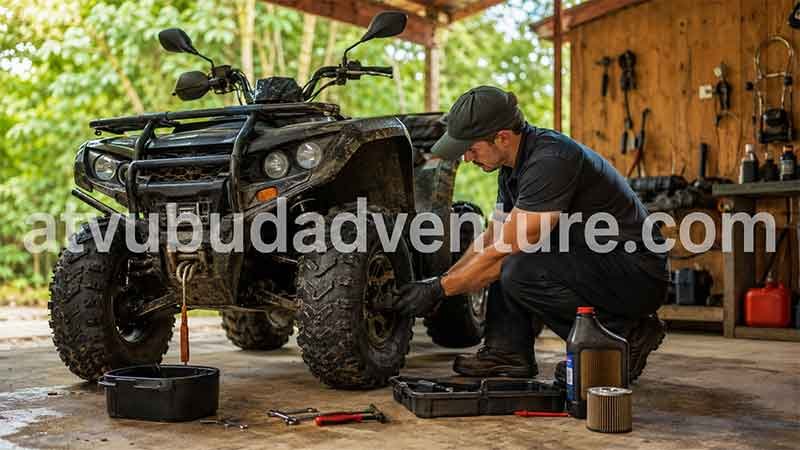
If you own an ATV, regular maintenance is one of the easiest ways to keep it reliable, safe, and ready for the next ride. But how often should you service an ATV?
For most recreational ATVs, a basic service is recommended at regular intervals based on engine hours, mileage, time, and riding conditions. The exact schedule depends on the manufacturer, model, and how you use the machine.
An ATV used occasionally on dry trails will have different maintenance needs from one that regularly tackles mud, water, sand, or rocky terrain.
How Often Should You Service an ATV?
A good general rule is to inspect your ATV before every ride, perform basic maintenance regularly, and follow the manufacturer’s service schedule for major servicing.
Many ATVs have maintenance intervals based on engine hours. A common pattern may involve checking or servicing the machine around every 25, 50, or 100 operating hours, although the exact interval varies by model.
Always check your owner’s manual first. It contains the recommended intervals for your specific ATV.
For occasional riders, time can also matter. Even if you do not reach the recommended engine-hour interval, fluids, batteries, tires, and other components can still require attention after months of storage.
ATV Maintenance Schedule at a Glance
A simple maintenance routine can look like this:
Before Every ATV Ride
Perform a quick inspection before starting the engine.
Check the tire pressure, tire condition, brakes, throttle, steering, lights, engine oil level, and visible leaks. Look underneath the ATV for loose components or signs of fluid leakage.
This inspection only takes a few minutes but can help identify problems before they become expensive repairs.
After Riding in Mud or Water
An ATV that has been through mud needs more attention than one used on clean, dry trails.
Wash the machine, remove mud from the chassis and suspension areas, inspect the brakes, and check for debris around the radiator. Water and mud can also affect bearings, electrical connections, and other components.
If your ATV has been submerged or ridden through deep water, inspect it carefully rather than assuming everything is fine.
For riders who regularly deal with muddy trails, learning how to clean an ATV after mud riding can help prevent problems.
Every 25 Hours
Depending on the ATV model, an early maintenance interval may include checking or changing engine oil, inspecting the air filter, checking controls, and examining the brakes and drivetrain.
Some manufacturers specify different intervals, so the owner’s manual should take priority.
This is also a good time to inspect nuts, bolts, suspension components, and other parts that may loosen through vibration.
Every 50 Hours
At a longer service interval, the inspection usually becomes more comprehensive.
Engine oil and filter service may be required. The air filter, spark plug, drive system, brakes, suspension, steering, battery, and electrical system should also be inspected according to the manufacturer’s schedule.
The exact work depends heavily on the ATV.
Every 100 Hours or Annually
A more extensive service may be appropriate around 100 operating hours or once a year, depending on the manufacturer’s recommendations.
This can include fluid replacement, detailed drivetrain inspection, brake inspection, air filter service, spark plug inspection, and checks of bearings and suspension components.
An annual service is particularly useful for riders who use their ATV seasonally.
What Does an ATV Service Include?
ATV servicing is more than simply changing the oil.
A proper service can involve several systems that work together to keep the machine running correctly.
Engine Oil and Filter
Engine oil protects internal engine components and helps control heat and friction.
Oil becomes contaminated as the ATV is used, particularly under demanding conditions. Changing it at the correct interval is one of the most important ATV maintenance tasks.
Use the oil specification recommended by the manufacturer.
Air Filter
The air filter prevents dirt and dust from entering the engine.
ATVs used on dusty trails may require more frequent air filter cleaning or replacement. A clogged filter can restrict airflow, while a damaged or poorly maintained filter can allow contaminants into the engine.
Tires and Tire Pressure
Correct tire pressure affects traction, handling, comfort, and tire wear.
Check pressure when the tires are cold and follow the manufacturer’s recommended specifications. Different tires and riding conditions may have different requirements.
You can also use this ATV tire pressure guide as a practical reference.
Brakes
Brakes should be inspected regularly.
Look for worn brake pads, damaged components, unusual noises, or changes in braking performance. If the brake lever feels different or stopping distances increase, do not ignore it.
For example, knowing the signs your ATV needs new brakes can help you recognize potential problems early.
Battery
The battery can lose charge when an ATV sits unused for extended periods.
Check the terminals for corrosion and make sure the battery remains properly charged. If the ATV is stored for a long time, follow the manufacturer’s battery storage recommendations.
Drive Belt and Drivetrain
On many automatic ATVs, the drive belt and CVT system are important components that deserve regular inspection.
Mud, water, dust, heat, and heavy loads can increase wear. If you notice slipping, unusual noises, reduced acceleration, or a burning smell, have the system inspected.
Does Riding Condition Change How Often You Service an ATV?
Absolutely.
An ATV used for light recreational riding may not need the same service frequency as one used for hard off-road work.
Mud and Water
Mud can enter areas that remain relatively clean during normal trail riding.
After muddy rides, cleaning and inspection should happen sooner rather than later. Pay particular attention to brakes, bearings, suspension, air intake areas, and the cooling system.
Dust and Sand
Dust can quickly affect an ATV’s air filter and other components.
If you regularly ride in very dusty environments, inspect the air filter more frequently than the standard schedule suggests.
Heavy Loads and Towing
Carrying heavy loads or towing puts additional stress on the engine, transmission, drivetrain, suspension, and brakes.
Frequent heavy-duty use is a good reason to inspect your ATV more often.
What Happens If You Don’t Service an ATV?
Skipping maintenance may save money in the short term, but it can create bigger problems later.
Old engine oil can reduce lubrication performance. A dirty air filter can restrict airflow. Worn brake components can compromise stopping performance, while underinflated or damaged tires can affect handling.
Small problems can also become expensive repairs when they are ignored.
For beginners, a basic ATV maintenance checklist is a useful way to create a routine.
Can You Service an ATV Yourself?
Some maintenance tasks are suitable for experienced DIY owners.
Checking tire pressure, inspecting the air filter, checking fluid levels, cleaning the ATV, and inspecting visible components are generally straightforward when performed according to the owner’s manual.
More technical work may require specialist tools and experience.
If you are unsure about valve adjustments, drivetrain repairs, brake work, electrical problems, or other complex repairs, professional servicing is often the safer choice.
How Long Can an ATV Go Without Service?
There is no single answer because ATV maintenance depends on the model and usage.
An ATV that sits in a garage for months is not automatically maintenance-free. Tires can lose pressure, batteries can discharge, fluids can age, and seals or other components can deteriorate.
On the other hand, an ATV used heavily every week may reach its engine-hour service interval quickly.
The best approach is to track both time and operating hours. When either indicates that maintenance is due, check the manufacturer’s schedule.
A Simple ATV Maintenance Routine
For most recreational riders, the easiest approach is to create three habits.
First, inspect the ATV before every ride.
Second, clean and check it after demanding rides, especially when riding through mud or water.
Third, keep a record of engine hours and completed maintenance. This makes it much easier to know when the next service is due.
If you are buying your first ATV, understanding common ATV problems and how to fix them can also help you recognize issues before they become serious.
Final Answer: How Often Should You Service an ATV?
So, how often should you service an ATV?
For a general guideline, inspect it before every ride, clean and inspect it after harsh conditions, and follow the manufacturer’s scheduled service intervals, which may be based on engine hours or time.
A light recreational ATV may only need major scheduled servicing periodically, while an ATV used heavily in mud, water, dust, towing, or demanding terrain may need more frequent attention.
The most important thing is not to rely on a single number. Your ATV’s owner’s manual, engine hours, riding conditions, and the machine’s actual condition should all determine when it needs service.
Regular maintenance keeps an ATV more dependable and can help you spend more time riding and less time dealing with unexpected repairs.
ATV Ubud Adventure
If you are visiting Bali and want to experience an ATV rather than maintain one, ATV Ubud Adventure offers ATV tours in Ubud, Bali, for travelers looking for an off-road experience.
The adventure can be a fun way to explore Bali’s outdoor scenery while riding an ATV through the Ubud area.
For information and bookings, contact ATV Ubud Adventure by phone, SMS, or WhatsApp at +6287877066948, or click the Chat button on the website.